
Kitchen remodeling consistently delivers one of the strongest returns on investment for Central Valley homeowners. While not every renovation adds value, a well-planned kitchen remodel can recoup 50–80% of its cost, with certain upgrades performing even better.
Whether you plan to sell or stay, knowing which kitchen improvements actually increase value ensures your budget is spent wisely.
Why Kitchen Remodeling Delivers Superior ROI
The kitchen is the most influential room in a home sale. Buyers focus heavily on layout, storage, finishes, and overall functionality. A dated or poorly designed kitchen can stall offers, while a modern, functional space can justify a higher price.
Average returns by remodel type:
- Minor remodel: 50–60% ROI
- Mid-range remodel: 60–70% ROI
- Upscale remodel: 55–65% ROI
Beyond resale, homeowners benefit immediately from improved workflow, energy efficiency, and better spaces for cooking and gathering. In the Central Valley, where entertaining and multi-generational living are common, the kitchen often serves as the center of daily life.
Kitchen Improvements That Increase Home Value
Layout and Functionality
Function drives value more than aesthetics. Kitchen makeover works appeal to nearly every buyer. Opening sightlines, creating better flow between key work zones, and adding usable prep space can significantly improve both livability and resale appeal.
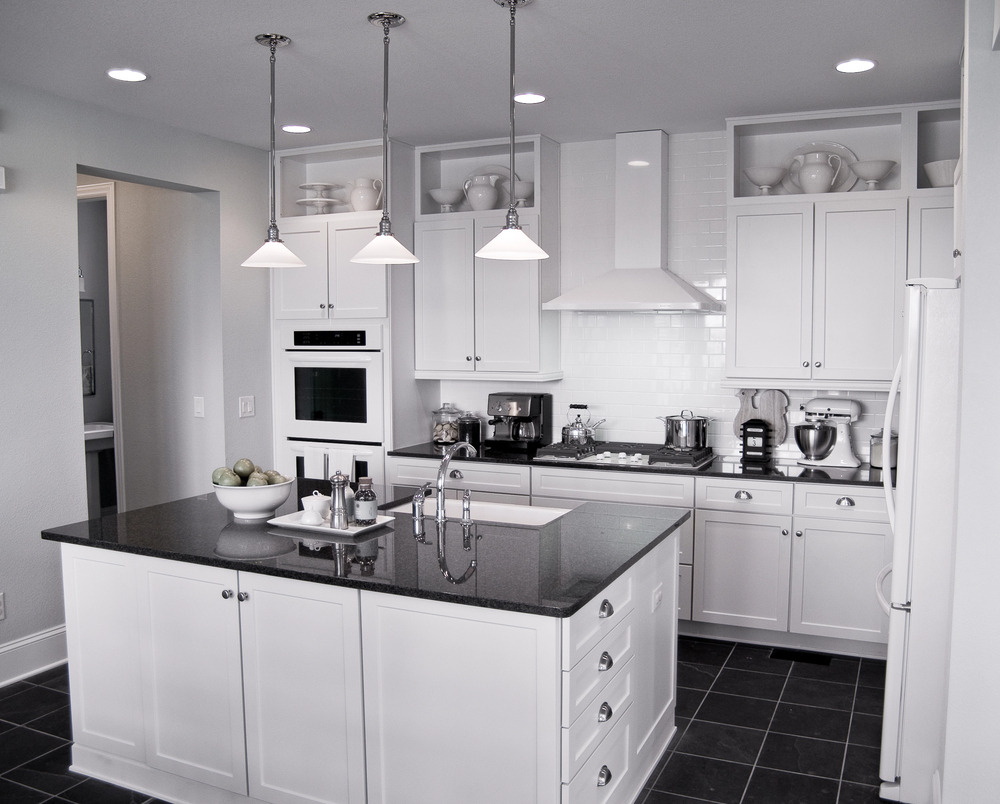
Islands remain one of the most requested features because they provide workspace, storage, and seating in a single element. When layout changes are thoughtfully planned, they can return 70–80% of the investment.
Cabinets
Cabinetry anchors the kitchen visually and functionally, typically accounting for 30–40% of the total budget. Quality construction matters more than style trends. Solid materials, durable hardware, and efficient storage solutions improve daily use and signal long-term value to buyers.
Timeless finishes and clean profiles outperform bold or short-lived trends. Well-chosen cabinets commonly return 60–75% while elevating the entire space.
Count, but oops
Countertops are one of the first features buyers notice. Quartz remains the most reliable choice due to durability, low maintenance, and consistent resale performance. Granite continues to offer classic appeal, while quartzite is best suited for higher-end homes seeking natural stone.
In mid- to high-value homes, outdated materials such as laminate can reduce perceived value and undermine otherwise quality renovations.
Appliances
Modern, energy-efficient appliances signal a well-maintained home. Stainless steel finishes remain the industry standard with broad buyer appeal. Energy Star certification reduces operating costs while demonstrating environmental consciousness.
Strategic investments include panel-ready refrigerators for seamless design, commercial-grade ranges for serious cooks, and quiet, efficient dishwashers. Appliance upgrades return 40-60% directly but more importantly, prevent deal-breaking obsolescence.
Lighting
Lighting has an outsized impact on how a kitchen feels and functions. A layered lighting approach improves visibility, highlights design features, and enhances atmosphere. Under-cabinet lighting, recessed fixtures, and statement pendants work together to create a space that feels intentional and inviting.
Lighting upgrades often return 60–75% and enhance the perceived value of every other improvement.
What’s a Realistic Budget for Kitchen Remodeling?
Is $10,000 enough for a kitchen remodel? Yes, for cosmetic updates in smaller kitchens. This typically includes surface-level updates such as cabinet refacing, new countertops, fixtures, lighting, and limited appliance upgrades. When done well, these projects can return 60–70%.
Mid-range remodels, usually between $25,000 and $60,000, deliver the strongest balance of transformation and return. These projects often include new cabinets, premium countertops, updated appliances, minor layout changes, and new flooring, with typical returns of 60–75%.
Upscale remodels exceeding $60,000 involve major layout changes, custom cabinetry, luxury materials, and high-end appliances. These are best suited for higher-value homes and typically return 55–70%.
A practical guideline is to keep kitchen investment within 10–15% of the home’s total value.
The 60/30/10 Rule for Timeless Design
What is the 60/30/10 rule for kitchens? This color distribution formula creates visual balance and broad appeal:
- 60% Dominant color: Typically cabinets and large surfaces (white, off-white, warm gray)
- 30% Secondary color: Countertops, backsplash, or contrasting island
- 10% Accent color: Hardware, fixtures, and easily changeable elements
This principle prevents overwhelming buyers with visual stimulation while allowing personality. Apply it to your Central Valley kitchen by establishing a neutral, classic foundation (60%), adding interest through natural stone or complementary materials (30%), and expressing style through hardware finishes and lighting fixtures (10%).
What’s the Most Expensive Part of Kitchen Remodeling?
Understanding where your budget for kitchen remodelling goes helps you make informed decisions and avoid costly surprises. While every kitchen is different, most remodeling costs fall into a few predictable categories.
Cabinetry (30–40% of the Budget)
Cabinetry is typically the largest single expense in a kitchen remodel. Costs are driven by material quality, construction method, hardware, and installation requirements. Custom cabinetry offers superior fit, durability, and storage efficiency, but it also requires a higher upfront investment compared to stock or semi-custom options.
Labor and Installation (20–30%)
Labor is the second-largest cost category and has a direct impact on the quality and longevity of the remodel. This includes demolition, carpentry, electrical, plumbing, and finish work. Skilled installation ensures proper alignment, safe systems, and long-term performance, especially in kitchens with layout changes or older infrastructure.
Countertops, Appliances, and Infrastructure (8–15% Each)
Countertops and appliances generally account for 10–15% of the total budget, depending on material selection and appliance grade. Plumbing and electrical updates typically fall between 8 and 12%, but these costs are often underestimated. Moving fixtures or upgrading systems to meet current code can significantly affect the final budget.
The Real Cost Driver: Planning
The most expensive mistake in kitchen remodeling is not choosing the wrong materials, but failing to plan thoroughly. Incomplete designs, late decisions, and overlooked infrastructure needs lead to change orders, delays, and cost overruns. Establishing a comprehensive plan before construction begins is the most effective way to control expenses and protect your investment.
Mistakes That Diminish Kitchen Remodeling ROI
Even well-intentioned kitchen renovations can quietly erode resale value. Avoid these common mistakes to protect your investment and maximize return.
Over-improving for your neighborhood
Spending far beyond local standards rarely pays off. A $100,000 kitchen in a $300,000 home almost never recoups its cost because buyers won’t pay a premium the neighborhood doesn’t support. Match the scope, finishes, and overall quality of your remodel to comparable homes in your area.
Choosing trendy over timeless
Design trends fade faster than kitchens wear out. All-glass cabinets, ultra-bold colors, or overly modern elements in a traditional home can make a space feel dated within a few years and limit buyer appeal. Create a classic, neutral foundation and express personality through easily changeable features like lighting, hardware, or décor.
Skimping on quality where it matters
Cutting corners on core components leads to early wear and future replacement costs. Low-quality cabinetry, hardware, or installation signals poor value to buyers. Invest in layout, cabinetry, and construction before upgrading finishes.
Neglecting function for aesthetics
A kitchen that looks good but works poorly hurts both daily use and resale value. Inefficient layouts, broken work triangles, and limited counter space create frustration. Prioritize flow, storage, and usability.
Maximizing ROI: Strategic Decisions for Your Remodel
Make every remodeling decision with return in mind by focusing on strategy, local market realities, and long-term value rather than short-term trends.
Define your timeline first
Whether you plan to stay long-term or sell within a few years should guide decisions on budget, layout, and material selection.
Invest where value lasts
Prioritize quality cabinetry, durable materials, effective lighting, and skilled craftsmanship. Limit spending on ultra-premium appliances that exceed neighborhood norms, short-lived trends, and purely decorative features.
Use a design-build approach
Single-source accountability, integrated design expertise, clearer timelines, and fewer change orders reduce risk, delays, and unexpected costs.
Factor in local market conditions
Central Valley homes benefit from climate-appropriate materials, designs aligned with buyer expectations, and updates that respect architectural character while improving function. Long-term local experience reveals which improvements consistently deliver strong returns.
Your Kitchen, Your Investment, Your Vision
A successful kitchen remodel balances daily function, long-term value, and thoughtful design. When decisions are made strategically, your investment enhances how your home works today while protecting its resale value for the future.
Ready to remodel with confidence? Schedule a consultation at Nelson Dye today. With more than 70 years of experience, we guide homeowners from concept to completion with practical planning, skilled craftsmanship, and kitchens built to last.
FAQs
What is a realistic budget for a kitchen remodel?
A realistic kitchen remodel budget depends on scope and finishes. Most homeowners spend between $25,000 and $75,000 for a full remodel, while smaller updates can range from $10,000 to $20,000. Higher-end projects can exceed $100,000 when layouts change or premium materials are used.
Is $10,000 enough for a kitchen remodel?
$10,000 is typically enough for a focused refresh rather than a full remodel. This budget works best for cosmetic upgrades such as painting cabinets, updating hardware, replacing countertops with budget materials, or installing new lighting, without changing the layout.
What is the 60/30/10 rule for kitchens?
The 60/30/10 rule helps guide design balance. About 60% of the kitchen should use a dominant, neutral finish, 30% a secondary material or color, and 10% an accent. This approach creates visual balance while avoiding overly trendy or busy designs.
What is the most expensive part of redoing a kitchen?
Cabinetry is usually the largest cost, often accounting for 30 to 40% of the total budget. Custom or semi-custom cabinets, layout changes, and installation drive costs more than appliances or finishes.